Fatty liver disease (hepatic steatosis) occurs when fat content inside the liver tissue exceeds 5% to 10% of the liver's total weight. Often diagnosed via a routine abdominal ultrasound scan, fatty liver is categorized into three distinct medical grades based on the volume of fatty infiltrations.
Understanding which grade you have is critical to adopting the right lifestyle adjustments and herbal interventions to reverse the process before permanent cellular damage occurs.
Fatty Liver Grade 1: Mild Steatosis
This is the earliest, most manageable stage. In Grade 1, small fat deposits accumulate on the outer membranes of liver cells, but there is no inflammation or cellular scarring.
- Symptoms: Mostly silent. Some individuals report slight fatigue or mild abdominal bloating after heavy meals.
- Ultrasound appearance: The liver appears slightly brighter (echogenic) than usual due to fat reflecting the ultrasound waves.
- Reversibility: 100% reversible. Minor changes to diet and daily exercise can resolve Grade 1 in a matter of weeks.
Fatty Liver Grade 2: Moderate Steatosis
In Grade 2, the accumulation of fat is more widespread, and the liver cells begin to suffer from mild, persistent inflammation (steatohepatitis). The liver's blood vessels start to get compressed by fat cells.
- Symptoms: Dull, intermittent pain or heaviness in the upper right side of the abdomen, sluggish digestion, gas, and chronic low energy.
- Ultrasound appearance: A highly bright liver surface, and the scanning technician may find it difficult to clearly visualize the deeper portal veins.
- Reversibility: Highly reversible, but requires a structured approach. You must eliminate refined sugars, processed carbs, and alcohol while supporting your liver cells with targeted hepatoprotective herbs.
Fatty Liver Grade 3: Severe Steatosis
This is the most critical stage. The liver is heavily laden with fat deposits, and chronic inflammation starts causing early fibrous tissue scarring (fibrosis).
- Symptoms: Marked abdominal swelling, persistent nausea, jaundice (yellowish skin/eyes), chronic fatigue, and clear digestive distress.
- Ultrasound appearance: Deep structures of the liver and diaphragm are obscured due to dense fat echo reflection.
- Reversibility: Reversing Grade 3 requires immediate, clinical lifestyle changes. While the fibrous scarring can be difficult to fully undo, you can halt progression to liver cirrhosis and restore functional liver cells.
How the QRLiver Herbal combination Reverses Fatty Liver
Reversing fatty liver relies on clearing accumulated lipids from hepatocytes and reducing tissue-wide inflammation. Johntee's QRLiver Capsule uses a certified herbal combination designed to target fatty liver cells directly:
1. Clearing Fat Deposits (Lipotropic Action)
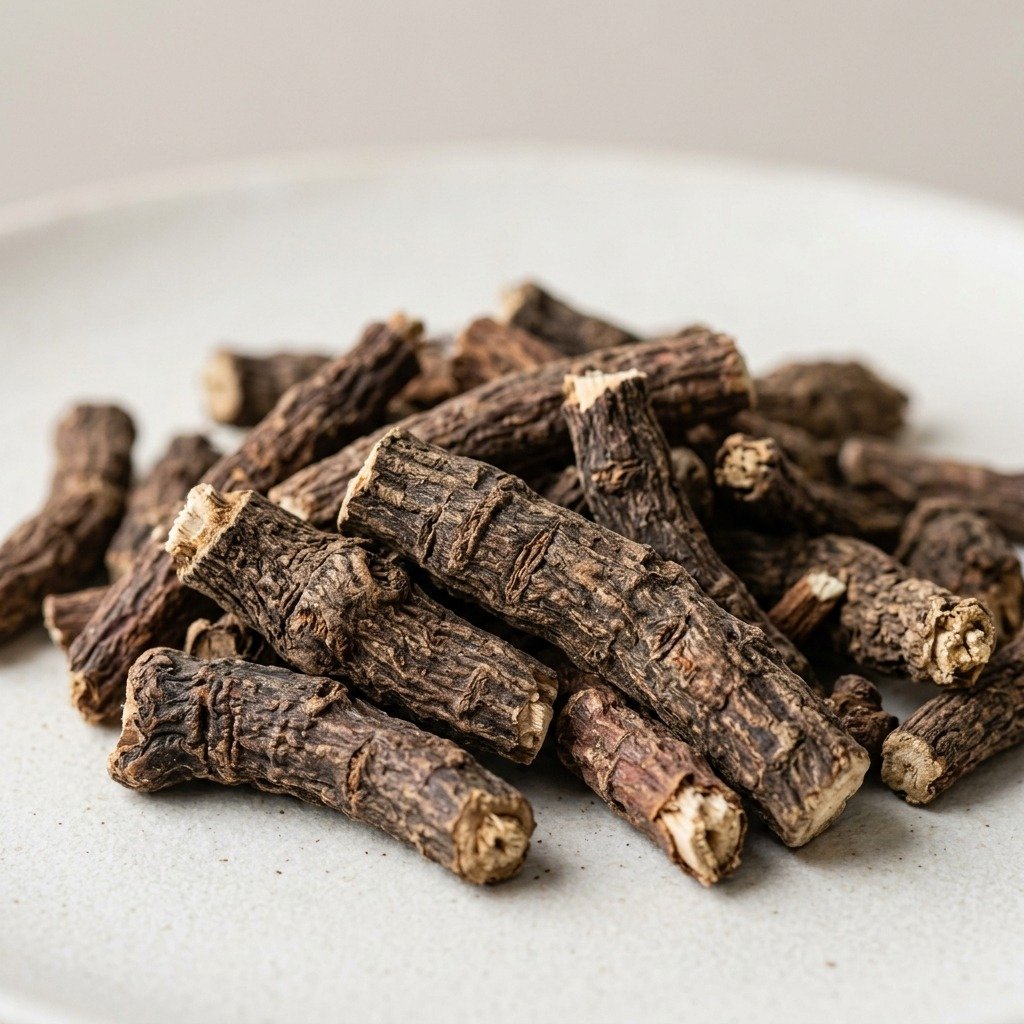
Picrorhiza kurroa (Katuki) stimulates bile production and flow, helping emulsify and process excess lipids. It prompts the liver to burn fat reserves for energy rather than storing them.
2. Reducing Inflammation & Swelling
Boerhavia diffusa (Punarnava) acts as a powerful anti-inflammatory and fluid regulator. It reduces the cellular swelling associated with Grade 2 and Grade 3 liver congestion, restoring normal blood circulation through the hepatic veins.
3. Repairing Damaged Cells & Preventing Fibrosis
Centella asiatica (Mandookaparni) provides rich antioxidants that protect cells from lipid peroxidation—the chemical reaction that causes fat deposits to damage liver cell structures. It supports collagen regulation to prevent the onset of fibrotic scarring.
Reverse Fatty Liver Deposits Naturally
Support your liver's natural fat metabolism with Johntee's QRLiver Capsule. A pure herbal combination of Punarnava, Katuki, Mandookaparni, and Poovarasam designed for fatty liver recovery. Free Shipping across India.
Consult on WhatsApp